Why did pilots wear goggles and a scarf?
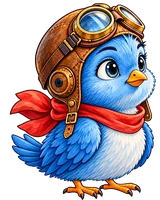
Because the first aeroplanes had open cockpits. Goggles kept wind, rain and engine oil out of a pilot’s eyes, and a soft silk scarf kept the cold out and stopped their neck getting sore from turning to look all around.
 Open this chapter in the storybook
The short version
The first aeroplanes had open cockpits: no roof, and only a small windscreen in front, so the pilot sat out in the rushing air. At flying speed that wind is far stronger than on the windiest day on the ground, and it brought rain, insects and spray from the engine’s oil with it. High up it is cold as well: the air gets six or seven degrees colder for every kilometre you climb.
So pilots dressed for the wind and the cold: goggles over their eyes, a snug leather helmet on their head, a thick coat and gloves, and round their neck, a scarf.
Why did pilots wear goggles?
Wind in your face makes your eyes water and blink, and a pilot has to keep looking. Goggles fit close all round the eyes, padded so that the wind cannot sneak in, and they keep out rain, insects and drops of oil too. On the ground pilots pushed them up onto their helmets, ready to pull down before takeoff.
Why did pilots wear a scarf?
A pilot in an open cockpit spent the whole flight turning their head, looking left, right, up and behind for other aeroplanes, and the stiff collar of a flying coat rubbed the neck sore. A scarf of smooth silk let the head turn freely without rubbing. It also stopped cold air rushing down inside the coat, and it made a handy cloth for wiping oil off a pair of goggles.
Why did pilots wear leather helmets?
A leather flying helmet fitted snugly over the head and ears, to keep them warm in the wind and to hold the goggles’ strap in place. Later helmets had headphones sewn into them, so the pilot could hear the radio over the noise of the engine.
What do pilots wear today?
Nearly every aeroplane now has a closed cockpit, with windows all round and a heater, so most pilots fly in ordinary clothes. They wear a headset to hear the radio, and sunglasses on bright days. Jet pilots wear helmets with a visor that pulls down over their eyes, the goggles’ modern cousin. And pilots of old open-cockpit aeroplanes still wear a leather helmet and goggles, and some still wear a scarf.
In the story
Everything above is true of real pilots. This part is Little Blue’s world.
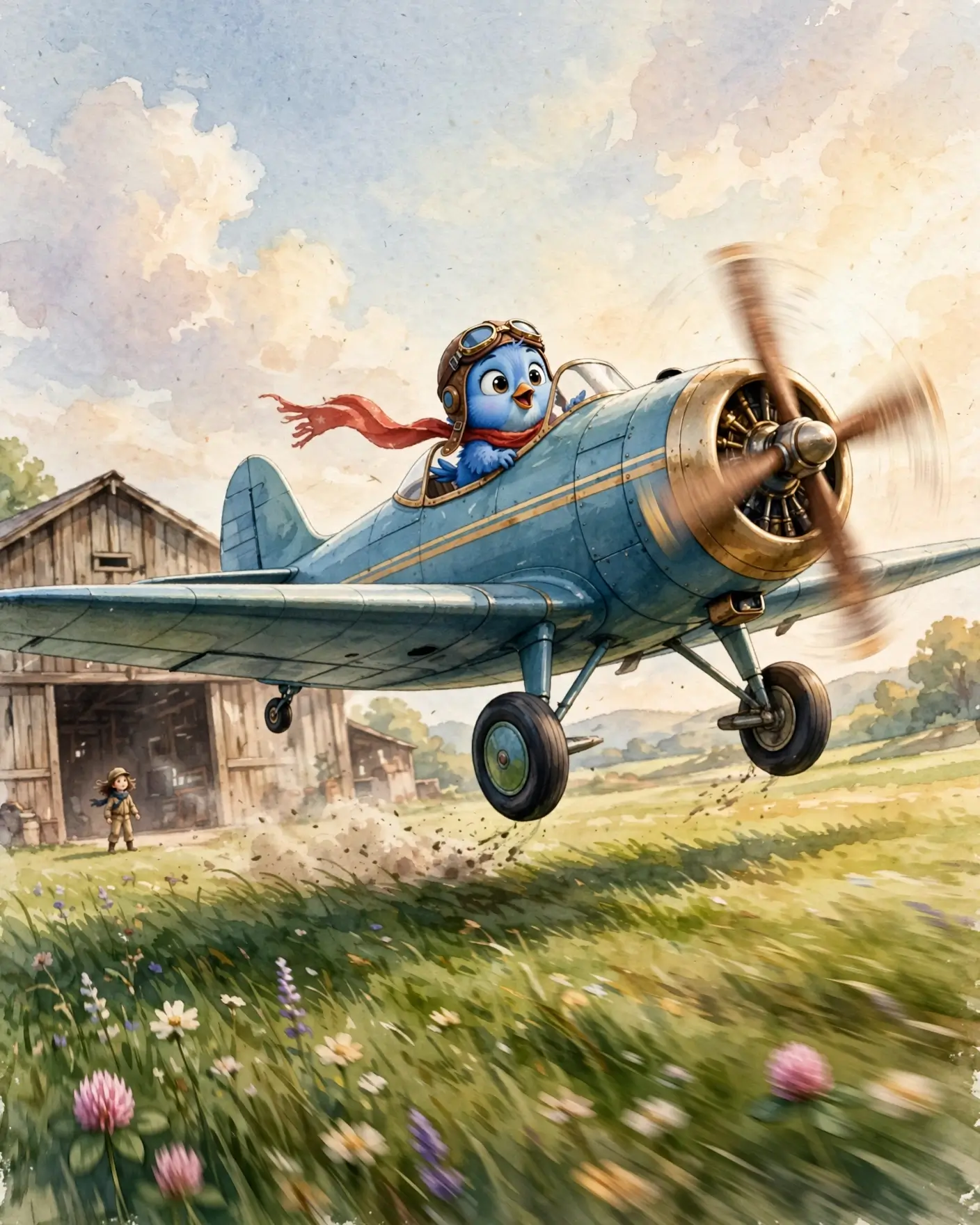
Little Blue dresses the way those first pilots did. On the morning he decides to try, in chapter two, the book counts them out: “He has his goggles. His red scarf. His little blue airplane. And enormous nerves.” By chapter five, practising day after day, they are simply part of who he is: “A little blue bird. Goggles on. Scarf flowing.”
Wingtips and Dew packs the same things for a cold morning on the tarmac, a cap and a pair of goggles, a scarf against the cold, which is exactly what a scarf was for. And the first words of the whole record, in First Wings, are somebody else doing up the strap: Goggles on. Deep breath. … There you go.
Three words to keep
- Open cockpit: a cockpit with no roof, where the pilot sits out in the rushing air.
- Slipstream: the rush of air the propeller pushes back over the aeroplane, and over anyone sitting in it.
- Flying helmet: a snug leather cap that kept a pilot’s head and ears warm and held the goggles in place.
What a pilot does before pulling the goggles down: what does a pilot do before takeoff?